Wondering which part of Jenks will actually fit your daily routine, not just your wish list? That is the real question for most buyers, because Jenks does not live like one uniform suburb. If you are comparing neighborhoods based on commute patterns, errands, parks, and how you want your evenings and weekends to feel, this guide will help you narrow the search with more confidence. Let’s dive in.
Why Jenks Feels Different Block by Block
Jenks works best when you think about it in three everyday lifestyle patterns. The city’s planning documents separate Old Town Jenks, Suburban Residential, Transition Residential, Estate Residential, and Downtown Residential areas, which shows how much the feel can shift from one area to the next.
In practical terms, most buyers will notice three main choices. You may be drawn to the older downtown core near Main Street, a more typical subdivision setting, or a larger-lot enclave with extra privacy. Each one creates a different rhythm for mornings, errands, and weekends.
Start With Your Daily Routine
Before you focus on finishes or square footage, think about how you will move through the week. In Jenks, that often comes down to where you need to drive for work, where activities happen, and whether you want quick access to downtown, parks, or major roads.
Mobility in Jenks is mostly car-based outside the oldest core. The city identifies Main Street or 96th Street, the Creek Turnpike, 111th Street, 121st Street, and 131st Street as key east-west travel corridors, and it notes that the Creek Turnpike and 96th Street are the only Jenks roadways that cross the Arkansas River.
That matters because your neighborhood choice affects how convenient the city feels day to day. If you want a more in-town routine, the downtown and Old Town area may stand out. If you want a classic subdivision setup or more space, your driving patterns may become a bigger part of everyday life.
Old Town Jenks for In-Town Living
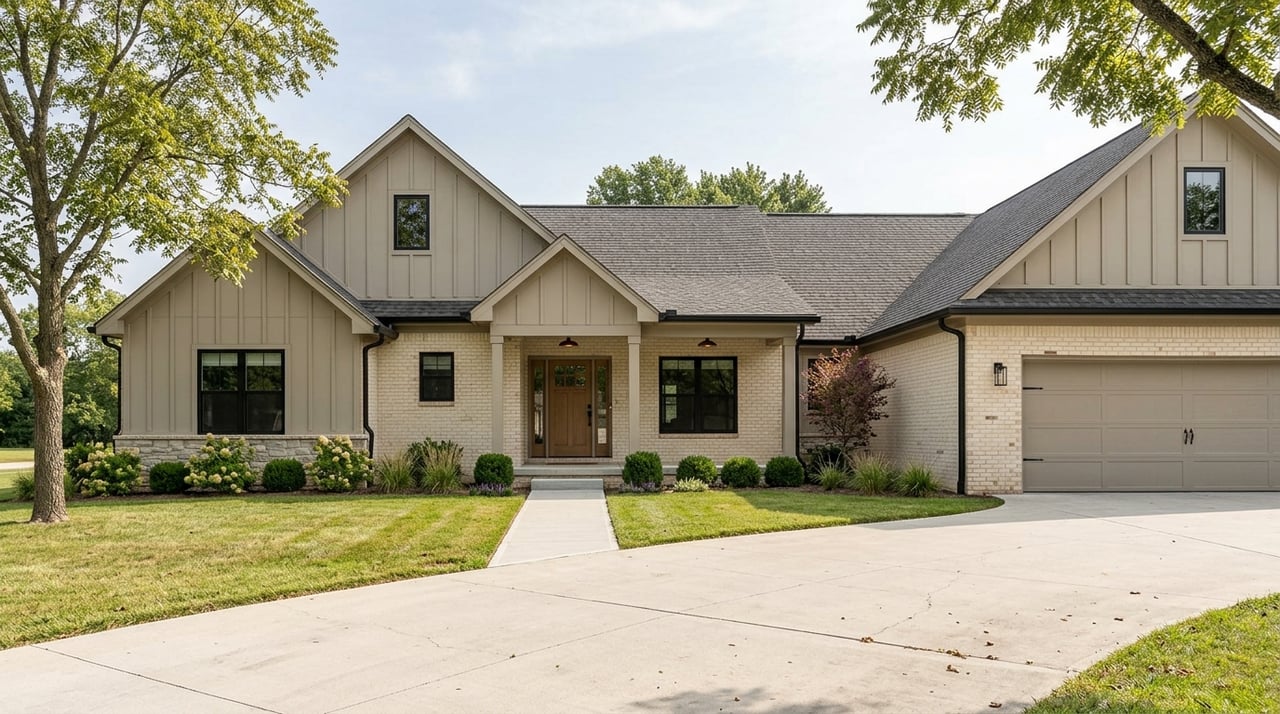
Old Town Jenks surrounds the downtown core and offers one of the most established living patterns in the city. The city describes this area as primarily ranch-style detached homes on small lots with a traditional street grid, which gives it a more connected, older-neighborhood feel.
This is the part of Jenks to consider if you want to be closest to Main Street, Central Park, and the riverfront. Your weekends may feel more spontaneous here because dining, shopping, recreation, and community spaces are nearby.
The tradeoff is that Old Town is not polished in exactly the same way as a newer subdivision. The city notes that many streets in this area still lack sidewalks or curb-and-gutter improvements, so the walkable feel depends a lot on the specific block and destination.
What daily life feels like in Old Town
If you picture grabbing dinner near Main Street, heading to a park, or spending time around the riverfront without a long drive, Old Town may feel like the most convenient fit. Downtown Jenks is centered on Main Street, and the city highlights it for dining, shopping, and recreation, along with free street parking and parking at Jenks Commons Park.
This area also benefits from some of Jenks’ best-known public spaces. Central Park, Downtown Commons, Lions Club Park, Riverfront access, and nearby trail connections all support a routine that feels more active and destination-oriented.
Subdivision Neighborhoods for Classic Suburban Living
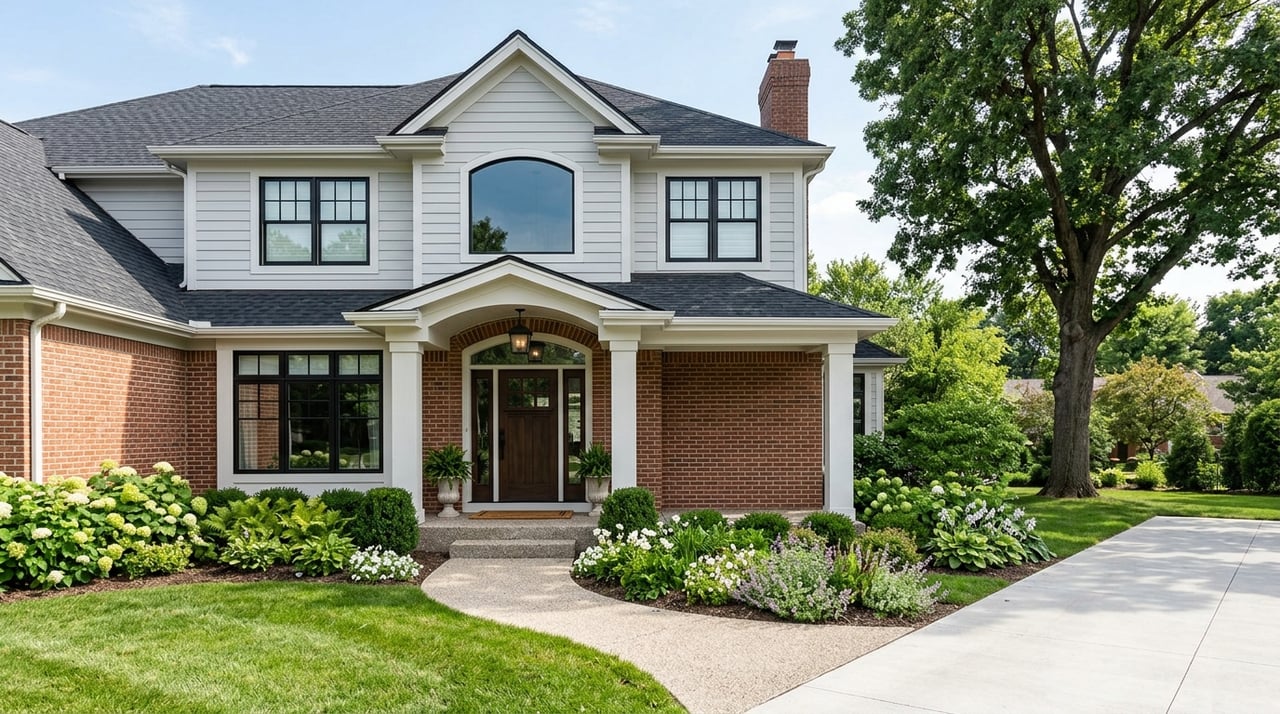
A large share of Jenks fits the suburban subdivision pattern. The city describes its Suburban Residential areas as neighborhoods with mid-size lots, curving blocks, limited points of access, and mostly single-family detached homes.
For many buyers, this is what first comes to mind when they think of Jenks. These neighborhoods tend to offer a familiar suburban setup with a little more separation from commercial areas and a stronger sense of internal neighborhood layout.
The city’s park and neighborhood inventory shows how broad this category is. Examples include Wakefield, Yorktown I and II, Providence Hills, Southern Reserve, Southwoods, Stonehorse, Aberdeen Falls, Aberdeen Lake, Country Woods of Jenks, Country Lake Estates, Southcreek, Sunnybrook, and Copperfield Estates.
Why subdivisions appeal to many buyers
If you want a straightforward everyday routine, these neighborhoods often make that easier. You can usually expect a residential setting that feels distinct from the downtown core while still keeping daily needs within Jenks.
The city’s planning staff says commercial areas are concentrated at key intersections along Elm Street and 131st Street and are intended to serve daily needs like grocery stores, pharmacies, doctors or dentists, banks, and other small-scale services. That supports the idea that many subdivision areas were planned with practical convenience in mind.
Who may prefer this neighborhood style
Subdivision living can be a strong match if you want a neighborhood-focused setting, a more conventional lot size, and easier access to parks and everyday services by car. It also gives you a wide range of options, since Jenks has diverse housing stock in both age and architecture.
For buyers comparing Tulsa-area suburbs, this variety is worth noting. Jenks offers more than one suburban formula, which means you may have more choices in feel, layout, and lot size than you would expect in a city that looks similar on a map.
Estate Areas for Space and Privacy
If your top priorities are room to spread out, privacy, and a more custom-home feel, Jenks has a third category that stands apart. The city identifies Estate Residential areas east of Highway 75 and south of the Creek Turnpike.
These neighborhoods are characterized by lots of at least one acre, private and sometimes gated roadways, and a more secluded enclave feel. In everyday terms, this is where Jenks starts to appeal to buyers who want breathing room without leaving the city entirely.
The setting can feel more tucked away than the downtown core or a standard subdivision. The city also notes that most estate areas do not have sidewalks or street trees, which reinforces that these neighborhoods are built around space and privacy rather than a traditional walk-around-the-block setup.
What to expect from estate-style living
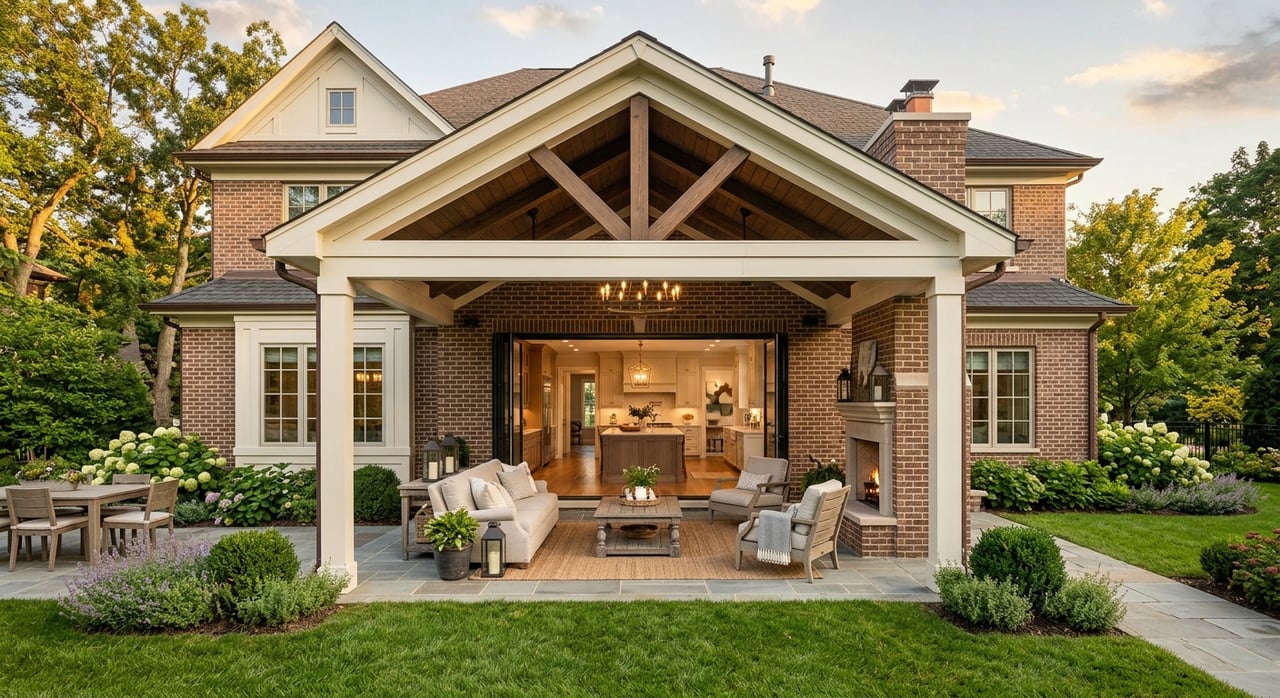
This part of Jenks often works well for move-up buyers who want more land, more separation from neighbors, or a home with a custom appearance. If you are used to suburban lot sizes and want something that feels more private, these areas may deserve a closer look.
They can also be a natural fit for buyers who do not mind driving a bit more for errands or activities in exchange for a quieter home setting. For some people, that tradeoff is exactly the point.
Transition Areas for Convenience to Roads and Errands
Not every buyer wants to be deep inside a subdivision or close to the oldest part of town. Jenks also has Transition Residential areas, which the city says are intended to help bridge residential neighborhoods with commercial and industrial land uses.
In everyday-life terms, these areas may appeal to you if convenience is a bigger priority than a tucked-away neighborhood feel. You may like being near bigger roads, mixed-use edges, or commercial services that make errands faster and commutes simpler.
This can be a smart middle ground for buyers who want residential living but also want quick access in and out of the city. The best fit depends on how much you value peace and separation versus practical convenience.
Parks and Trails Shape the Week
One of the biggest lifestyle advantages in Jenks is how often parks and trails show up in normal life. This is not just a city where you sleep and commute. It is also a place where outdoor recreation can easily become part of your weekly routine.
In the core area, Central Park, Downtown Commons, Lions Club Park, Parkwest, Barkwest Dog Park, Riverfront areas, the Pedestrian Bridge, and Veterans Park provide a wide mix of activities. The city says Parkwest includes baseball, softball, and football fields, Barkwest is a public dog park, and Veterans Park includes a fishing pond, splash pad, and skate park.
Trail access is another standout feature. The Jenks Aquarium Trail runs along Aquarium Drive from Elm Street to the pedestrian bridge near 96th and Riverside, where it connects to the Tulsa River Parks and Creek Turnpike trail systems, and the city says the broader Tulsa Area Trails System totals more than 80 miles.
Best areas for active weekends
If trails, parks, and river access matter to you, areas near downtown and the riverfront may feel especially appealing. You can build a routine around walking, biking, community events, or just having more outdoor options close to home.
For buyers who want their neighborhood to support an active lifestyle, this is one of Jenks’ strongest selling points. It adds a layer of flexibility that many suburban buyers value once they start picturing real weekends, not just listing photos.
Downtown and Riverfront Add Local Energy
Jenks has a little more destination appeal than many suburbs because of its downtown and riverfront attractions. The Oklahoma Aquarium is located on Aquarium Drive in Jenks, and the city describes RiverWalk as South Tulsa’s first major lifestyle center and inaugural riverfront development.
That gives residents more than a residential-only experience. Whether you live near the core or drive in from another part of town, these places help shape how free time can look in Jenks.
The city is also actively working on downtown’s future through a 2024 Downtown Master Plan and a 2026 Main Street pilot project. For buyers interested in the long-term feel of the city center, that shows continued attention to walkability and downtown function.
What the Jenks Housing Profile Suggests
Jenks has an owner-occupied housing rate of 77.5 percent, a median owner-occupied home value of $327,100, a median household income of $111,004, and 3.01 persons per household, according to U.S. Census QuickFacts for 2020 through 2024. Those numbers help frame Jenks as an established, primarily owner-occupied community.
Just as important, the city’s comprehensive plan points to housing diversity in both age and architecture. That is one reason Jenks can appeal to buyers with different priorities, whether you want an established home near downtown, a traditional subdivision setting, or an estate-style property with more land.
How to Choose the Right Jenks Neighborhood
If you are narrowing your search, it helps to think less about labels and more about how you want life to feel from Monday through Sunday. A few simple questions can make the decision clearer.
Ask yourself:
- Do you want to be closest to Main Street, parks, and riverfront activity?
- Do you prefer a classic subdivision layout with mid-size lots?
- Would you trade convenience for more privacy and larger land?
- How often will you use major roads like the Creek Turnpike, 111th, 121st, or 131st?
- Do you want errands and services nearby at Elm Street or 131st Street intersections?
Your answers will usually point you toward one of Jenks’ main lifestyle patterns pretty quickly. That is the real advantage of understanding the city in everyday terms.
Jenks is not one-size-fits-all, and that is exactly why many buyers find it appealing. If you want help sorting through which part of Jenks best matches your routine, goals, and home style, Misty Cowan offers thoughtful, local guidance that keeps the process clear and personal.
FAQs
What is the difference between Old Town Jenks and newer Jenks neighborhoods?
- Old Town Jenks is the more established area around downtown with smaller lots, a traditional street grid, and close access to Main Street, parks, and the riverfront, while newer neighborhoods are more often subdivision-style with curving streets and a more car-based routine.
Which Jenks neighborhoods are best for larger lots and more privacy?
- The city’s Estate Residential areas, located east of Highway 75 and south of the Creek Turnpike, are the main option for buyers seeking at least one-acre lots, private roads, and a more secluded feel.
Are Jenks neighborhoods walkable for everyday errands?
- Walkability depends on the area, with the strongest in-town access near downtown and Old Town Jenks, while most of the city outside the oldest core is more car-dependent for errands and daily travel.
What parts of Jenks are closest to parks and trails?
- Areas near downtown, Aquarium Drive, and the riverfront tend to offer the easiest access to Central Park, Veterans Park, the Jenks Aquarium Trail, the pedestrian bridge, and broader regional trail connections.
Where are most everyday services located in Jenks?
- According to the city’s planning staff, many daily-need commercial areas are concentrated at key intersections along Elm Street and 131st Street, where residents can access services like grocery stores, pharmacies, medical offices, banks, and other small-scale retail.
Is Jenks a uniform suburban market?
- No, Jenks has a wider range of neighborhood types than many people expect, including an older downtown core, standard suburban subdivisions, transition areas near larger roads and services, and estate-style enclaves with more land.